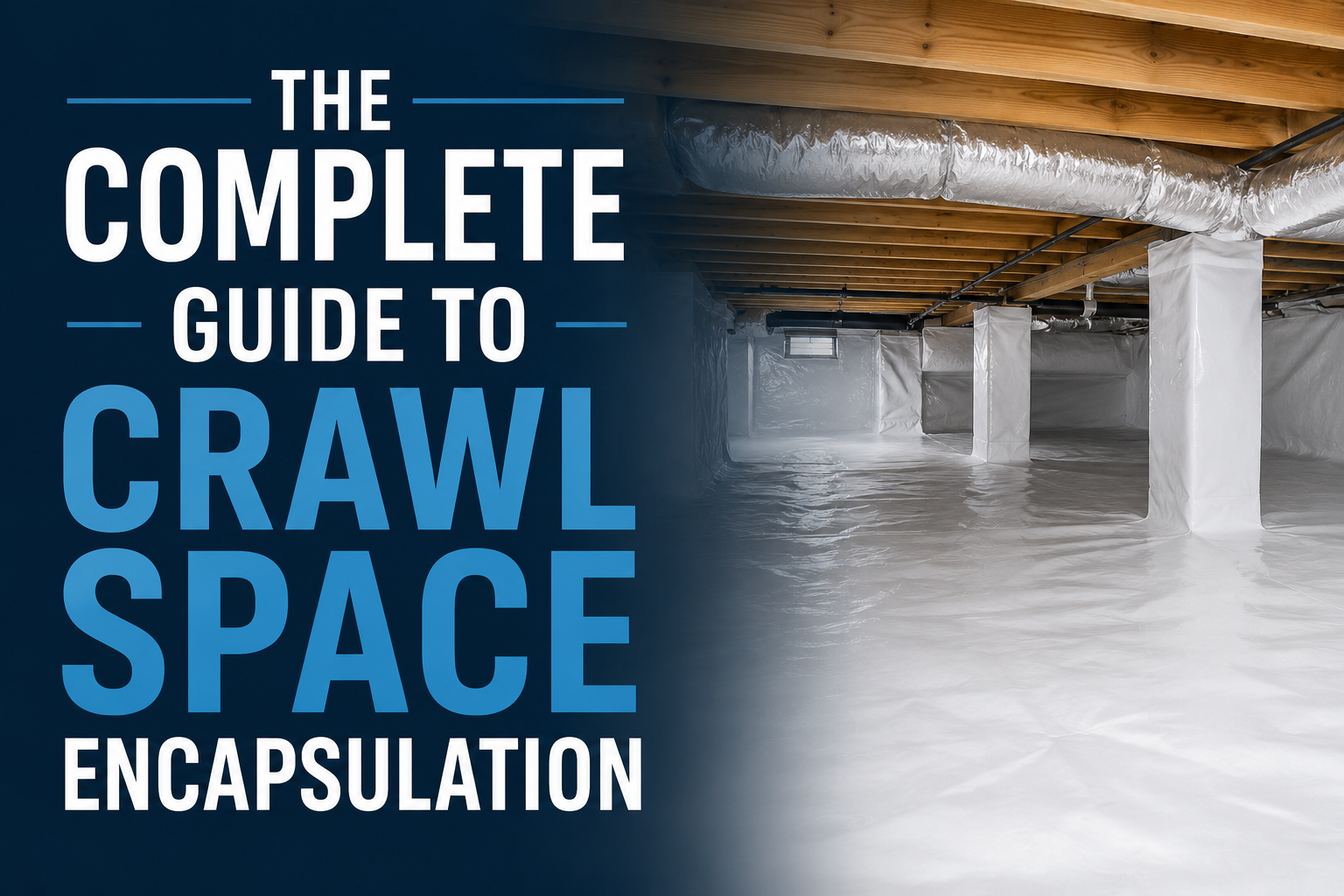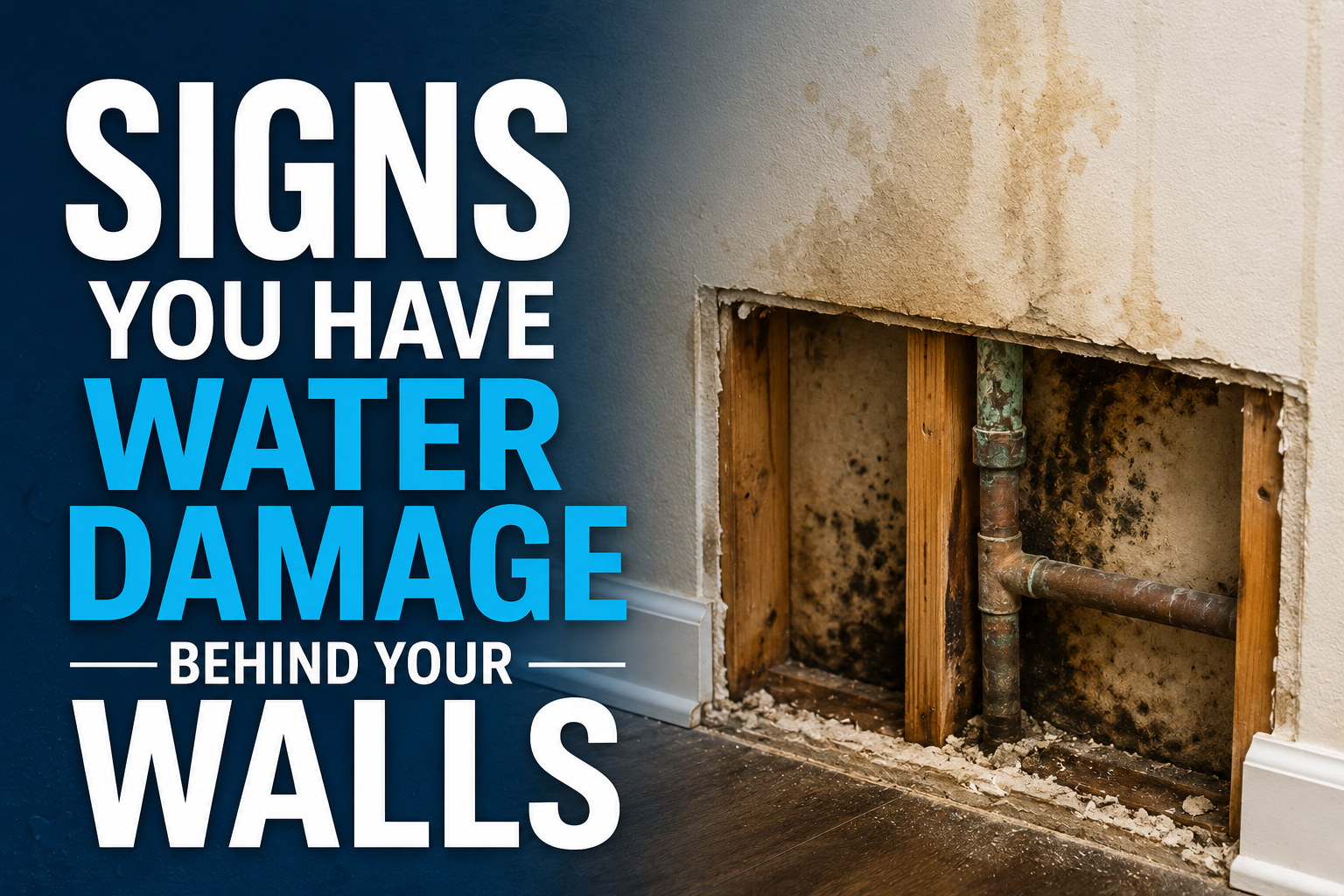
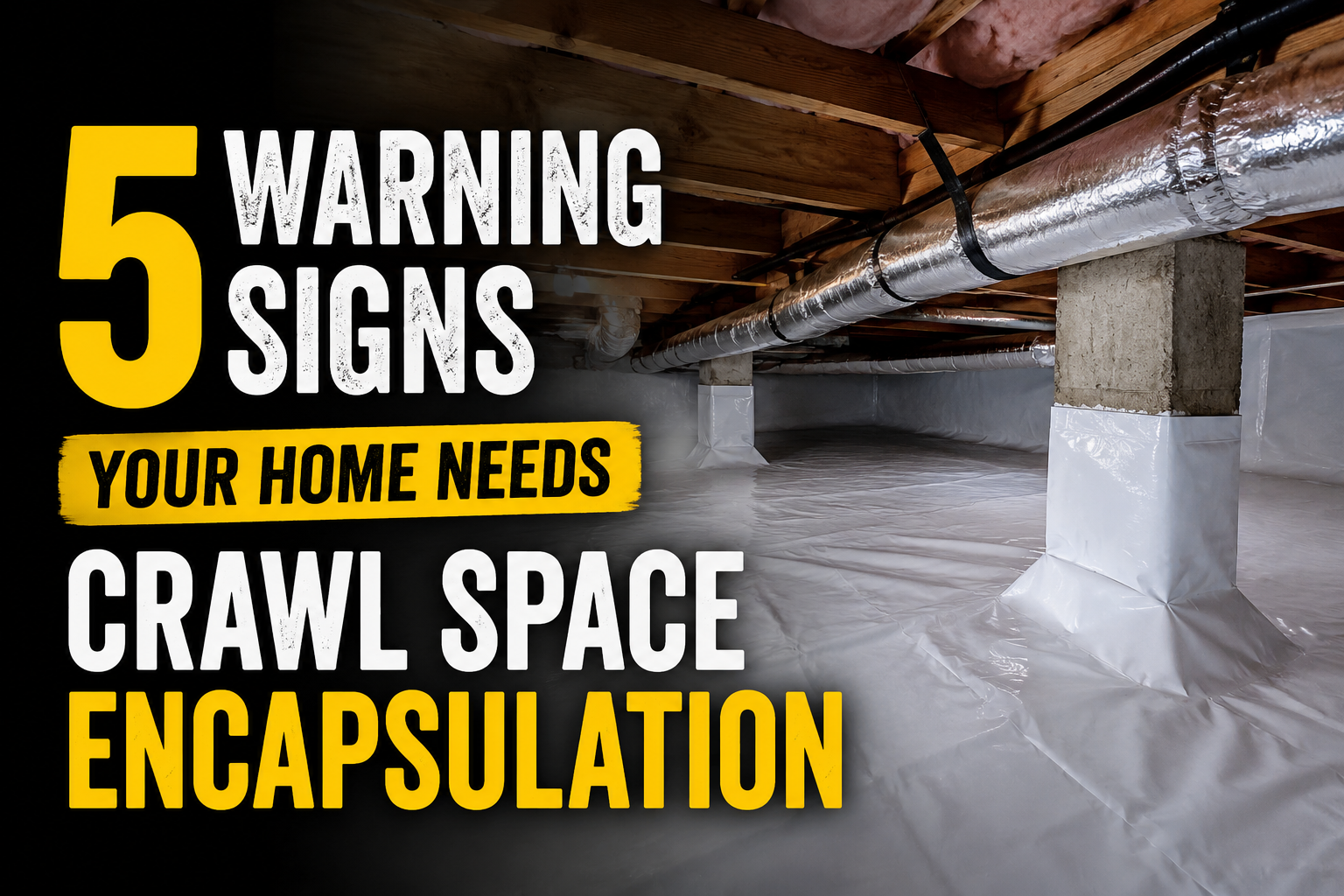
There are at least 5 clear signs you need crawl space encapsulation, and catching them early can save Houston homeowners thousands of dollars in structural repairs. This article breaks down each warning sign, explains why Houston’s humid climate makes encapsulation so critical, and tells you exactly what to do next.
From Sugar Land and Pearland to Kingwood and the Energy Corridor, homes across the greater Houston area face relentless ground moisture and high humidity year-round. Understanding these warning signs protects your investment before small problems become major ones.
Understand Why Houston Homes Are Especially Vulnerable
Houston sits on clay-heavy soil that holds moisture for long periods after rain. The city averages around 50 inches of rainfall per year, well above the national average of 38 inches. That moisture does not just stay outside.
Crawl spaces beneath homes in areas like Friendswood, League City, and Webster sit close to the water table. After heavy rain events, groundwater can seep upward through soil and evaporate directly into the crawl space air.
That warm, humid air rises into your living areas, raising indoor humidity, feeding mold colonies, and slowly rotting wood framing. Encapsulation cuts that moisture source off completely by sealing the crawl space with a heavy-duty vapor barrier and controlled ventilation or dehumidification.
Without encapsulation, Houston’s climate essentially turns your crawl space into a moisture engine running 24 hours a day beneath your floors.
Recognize the 5 Warning Signs You Need Crawl Space Encapsulation
Each of these signs points to a moisture problem that encapsulation directly addresses. If you notice one or more of these in your home, act quickly.
Sign 1: Persistent Musty Odors Inside Your Home
A musty smell that lingers even after cleaning is one of the most reliable signs you need crawl space encapsulation. That odor comes from mold and mildew growing in a damp crawl space below your floors.
Because air moves upward from the crawl space into living areas, the smell travels with it. If the odor is strongest near floor vents, baseboards, or in lower-level rooms, your crawl space is almost certainly the source.
Sign 2: Visible Mold or Mildew on Floors or Joists
If you can see mold growing on your sub-floor, floor joists, or the soil inside the crawl space, moisture levels have already reached a dangerous point. Mold grows when relative humidity stays above 60 percent for extended periods.
Homes in Cypress, Missouri City, and Pasadena frequently show this problem after back-to-back wet seasons. Rhino Water Damage Restoration has documented active mold growth in crawl spaces across these areas that started from uncontrolled ground moisture alone.
Sign 3: Warped, Soft, or Bouncy Floors
Wood absorbs moisture over time. When crawl space humidity stays high, floor joists and sub-floor panels swell, warp, and eventually soften. You may notice floors that feel springy underfoot or hardwood planks that buckle near exterior walls.
This structural damage is expensive to repair. Joist sistering or sub-floor replacement can cost between $1,500 and $8,000 depending on the extent of damage. Encapsulation stops further deterioration from the moment it is installed.
Sign 4: High Indoor Humidity or Condensation on Windows
If your home consistently feels humid inside even when the AC runs properly, or if you see condensation forming on interior windows in the morning, your crawl space may be pumping excess moisture into your living space.
Indoor relative humidity above 55 percent encourages mold growth and makes your HVAC system work harder. Homeowners in Bellaire, Montrose, and Midtown Houston often report this symptom before discovering a moisture problem beneath their floors.
Sign 5: Pest or Rodent Activity
Damp, open crawl spaces attract termites, cockroaches, rodents, and other pests looking for moisture and shelter. Termites are drawn to wet wood, and Houston’s climate already puts homes at elevated termite risk.
If a pest inspector finds activity in your crawl space, or if you hear scratching beneath your floors, an open or vented crawl space is likely the entry point. Encapsulation seals gaps and removes the moist environment that attracts pests in the first place.
Compare Crawl Space Encapsulation Options and Costs
Not all encapsulation systems are equal. The right choice depends on your crawl space size, existing moisture levels, and budget. Here is a breakdown of the most common options Houston homeowners choose.
| Encapsulation Type | Average Cost (Houston) | Best For | Lifespan |
|---|---|---|---|
| Basic 6-mil vapor barrier | $500 to $1,200 | Low moisture, minor issues | 5 to 10 years |
| 20-mil reinforced barrier | $1,500 to $3,500 | Moderate moisture, high foot traffic | 15 to 20 years |
| Full encapsulation with dehumidifier | $3,000 to $8,000 | High moisture, active mold history | 20 plus years |
| Drainage system plus encapsulation | $5,000 to $12,000 | Standing water, flooding history | 20 plus years |
Most Houston homes in flood-prone areas like Clear Lake City, Webster, and parts of Katy benefit most from full encapsulation paired with a dedicated crawl space dehumidifier. That combination manages both ground moisture and ambient humidity simultaneously.
Rhino Water Damage Restoration recommends at minimum a 20-mil reinforced barrier for any home that has experienced flooding or visible mold in the crawl space. Thinner barriers tear more easily and allow seams to separate over time.
Identify Which Houston Neighborhoods Face the Highest Risk
Some parts of the Houston metro area have higher crawl space moisture risk than others due to soil type, elevation, and drainage infrastructure. Knowing your area’s risk level helps you decide how urgently to act.
| Area | Risk Level | Primary Concern |
|---|---|---|
| Clear Lake City, Webster, Friendswood | High | Low elevation, flood history, high water table |
| Katy, Cypress, Spring Branch | High | Clay soil, storm drainage overload |
| Pearland, Missouri City, Sugar Land | Moderate to High | Flat terrain, heavy rainfall pooling |
| Kingwood, Northside Houston | Moderate to High | Proximity to bayous, flood-prone corridors |
| Midtown, Montrose, Houston Heights | Moderate | Older homes, aging crawl space systems |
| Memorial, Energy Corridor, Bellaire | Moderate | High property value, cost of damage is greater |
| Downtown Houston, Pasadena | Moderate | Industrial runoff, aging infrastructure |
If your home sits in a high-risk area and you have not had your crawl space inspected in the last two years, scheduling an inspection now is a smart move. Many problems start small and are invisible until damage has already spread.
Know What Happens During a Professional Encapsulation
Understanding the process helps you ask the right questions and evaluate quotes accurately. A professional crawl space encapsulation typically follows these steps:
- Inspection and moisture testing: A technician measures humidity levels, checks for mold, and identifies any standing water or drainage issues before work begins.
- Debris and mold removal: Old insulation, debris, and any existing mold growth are removed and disposed of properly. In some cases, antimicrobial treatment is applied to joists and walls.
- Drainage installation (if needed): Homes with active water intrusion may need an interior drainage system installed before the barrier goes down.
- Vapor barrier installation: The barrier is laid across the ground and up the foundation walls. Seams are overlapped by at least 12 inches and sealed with moisture-resistant tape.
- Dehumidifier and ventilation setup: A crawl space dehumidifier or controlled ventilation system is installed to maintain safe humidity levels long-term.
- Final inspection: The finished space is checked for proper sealing, drainage, and airflow before the project is closed out.
A full encapsulation on an average Houston-area crawl space typically takes one to three days depending on size and complexity. Homes with active mold remediation needs may require additional time before the barrier is installed.
Avoid Common Mistakes Homeowners Make With Crawl Space Moisture
Many homeowners try quick fixes that do not address the root cause. Knowing what to avoid saves you money and prevents repeat problems.
- Relying only on vented crawl spaces: Older building codes required vented crawl spaces, but in Houston’s humid climate, outdoor air brings in more moisture than it removes. Modern best practice favors sealed, conditioned crawl spaces.
- Using thin plastic sheeting: Standard 6-mil poly sheeting from a hardware store tears easily, moves around, and leaves gaps at seams. It is not a substitute for proper encapsulation materials.
- Skipping the dehumidifier: A sealed crawl space without active moisture management can still trap humidity. A crawl space dehumidifier with a drain line is essential in Houston’s climate.
- Ignoring drainage issues first: Installing a vapor barrier over soil that already has active water intrusion will cause the water to pool under the barrier instead. Drainage problems must be fixed first.
- Delaying action after spotting mold: Mold spreads quickly in warm, humid conditions. What looks like a small patch can expand significantly within weeks during Houston’s summer months.
Rhino Water Damage Restoration has handled many cases where homeowners waited too long after spotting early signs, and what could have been a straightforward encapsulation turned into a full mold remediation plus structural repair project.
FAQs on Signs You Need Crawl Space Encapsulation
How do I know if my crawl space needs encapsulation or just a vapor barrier?
A basic vapor barrier is a starter solution for very mild moisture concerns. If you have visible mold, musty odors, soft floors, or a history of flooding, you need full encapsulation with sealing, drainage, and dehumidification. A professional inspection will confirm which level of protection your crawl space requires.
Can I encapsulate my crawl space myself?
Homeowners can install basic vapor barriers as a DIY project, but full encapsulation with proper sealing, drainage integration, and dehumidifier setup is best left to professionals. Improper installation leaves gaps that allow moisture to enter and can void product warranties. In Houston’s high-moisture environment, a professional installation pays for itself through durability.
How long does crawl space encapsulation last in Houston?
A high-quality 20-mil or thicker reinforced vapor barrier with proper seams and a dehumidifier system typically lasts 15 to 25 years with minimal maintenance. Annual inspections help catch any issues with seams, drainage, or dehumidifier function before they compromise the system.
Will encapsulation help with my energy bills?
Yes. Sealing your crawl space reduces the amount of humid air your HVAC system has to condition, which lowers energy consumption. Many Houston homeowners report a noticeable drop in cooling costs after encapsulation, particularly during the peak summer months when outdoor humidity is highest.
Does crawl space encapsulation prevent termites?
Encapsulation removes the damp wood environment that termites prefer, which reduces risk significantly. However, it is not a standalone termite treatment. If you already have an active termite infestation, that must be treated separately before or alongside encapsulation work.
How much does crawl space encapsulation cost in the Houston area?
Prices in Houston typically range from $1,500 for basic encapsulation on a small crawl space to $10,000 or more for a large space with drainage systems and a dehumidifier. The average full encapsulation project for a typical Houston home runs between $3,000 and $6,000. Get at least two quotes and confirm what each one includes.
Wrap Up and Next Steps
The signs you need crawl space encapsulation are rarely subtle once you know what to look for. Musty odors, soft floors, visible mold, high indoor humidity, and pest activity all point to the same root cause: uncontrolled moisture beneath your home.
Acting quickly protects your home’s structure, your indoor air quality, and your wallet. The longer moisture problems go unaddressed, the more expensive the repairs become.
If you have spotted any of these warning signs, contact Rhino Water Damage Restoration today. Call us at +18329451621 to schedule a crawl space inspection and get a clear picture of what your home needs. We serve homeowners across Houston and surrounding areas including Sugar Land, Katy, Pearland, Friendswood, Cypress, Kingwood, and more.