Crawl space encapsulation typically costs between $1,500 and $15,000 for most Houston-area homes, depending on the size of the space, existing moisture damage, and the materials used. This guide walks you through every step of the process, from understanding why encapsulation matters to choosing the right vapor barrier and knowing when to hire a professional.
Houston’s high humidity, heavy rainfall, and clay-heavy soils make crawl spaces especially vulnerable to moisture intrusion. Whether you live in Pearland, Katy, Kingwood, or League City, understanding crawl space encapsulation could save your home from long-term structural damage and mold growth.
Understand What Crawl Space Encapsulation Actually Does
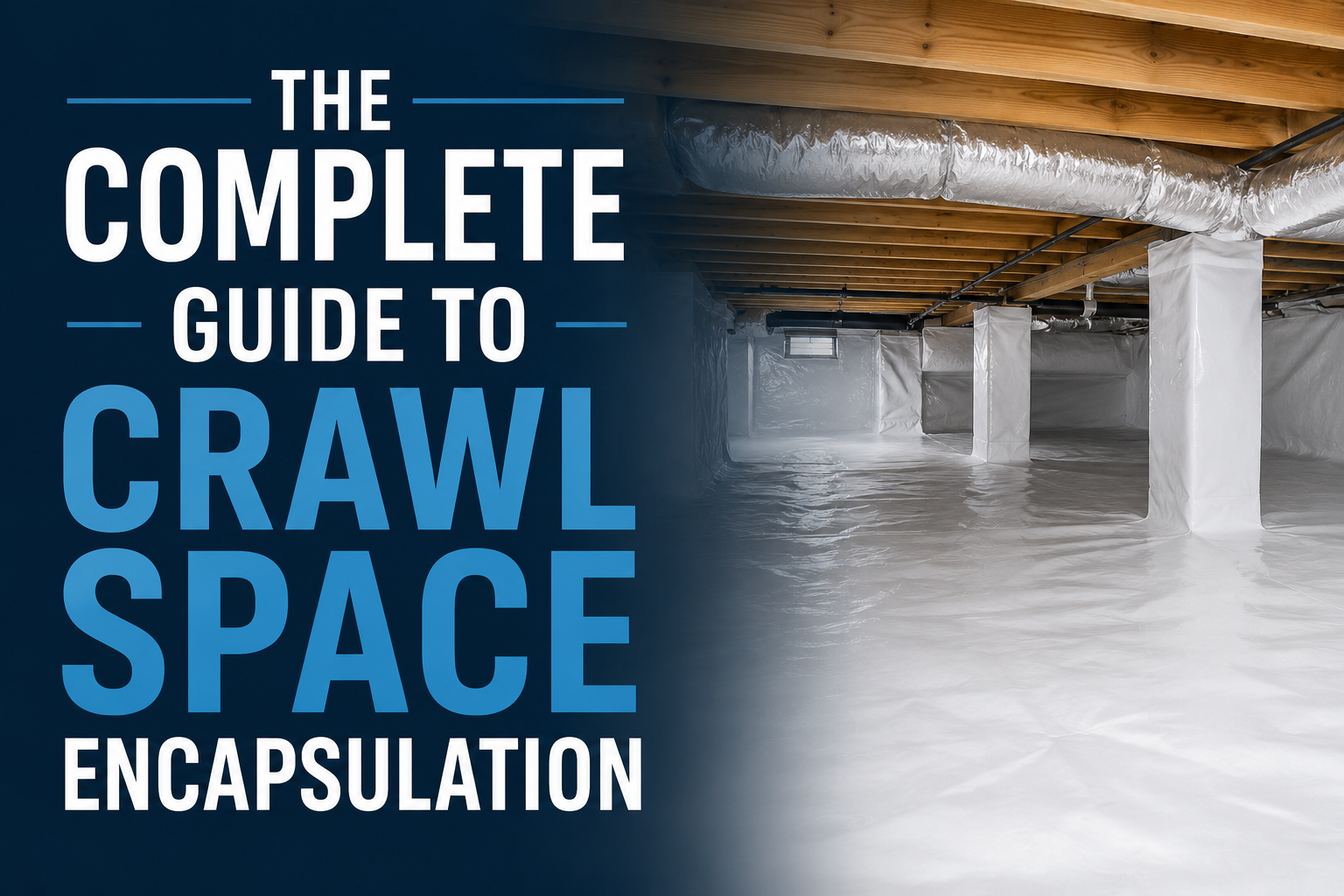
Encapsulation is the process of sealing your crawl space completely with a heavy-duty vapor barrier. The goal is to block moisture from entering through the ground and walls, which prevents mold, wood rot, pest infestations, and poor indoor air quality.
A basic encapsulation system includes a polyethylene vapor barrier laid across the ground and up the walls, sealed at every seam and penetration point. More advanced systems also include a dehumidifier, insulation, and drainage channels.
Many Houston homeowners confuse encapsulation with simple vapor barrier installation. They are not the same thing. A vapor barrier alone only covers the ground. Full encapsulation seals the entire crawl space, including walls and any vents, turning it into a conditioned or semi-conditioned space.
This matters a lot in cities like Sugar Land, Missouri City, and Friendswood, where ground moisture is consistently high due to flat terrain and expansive clay soils that trap water near your foundation.
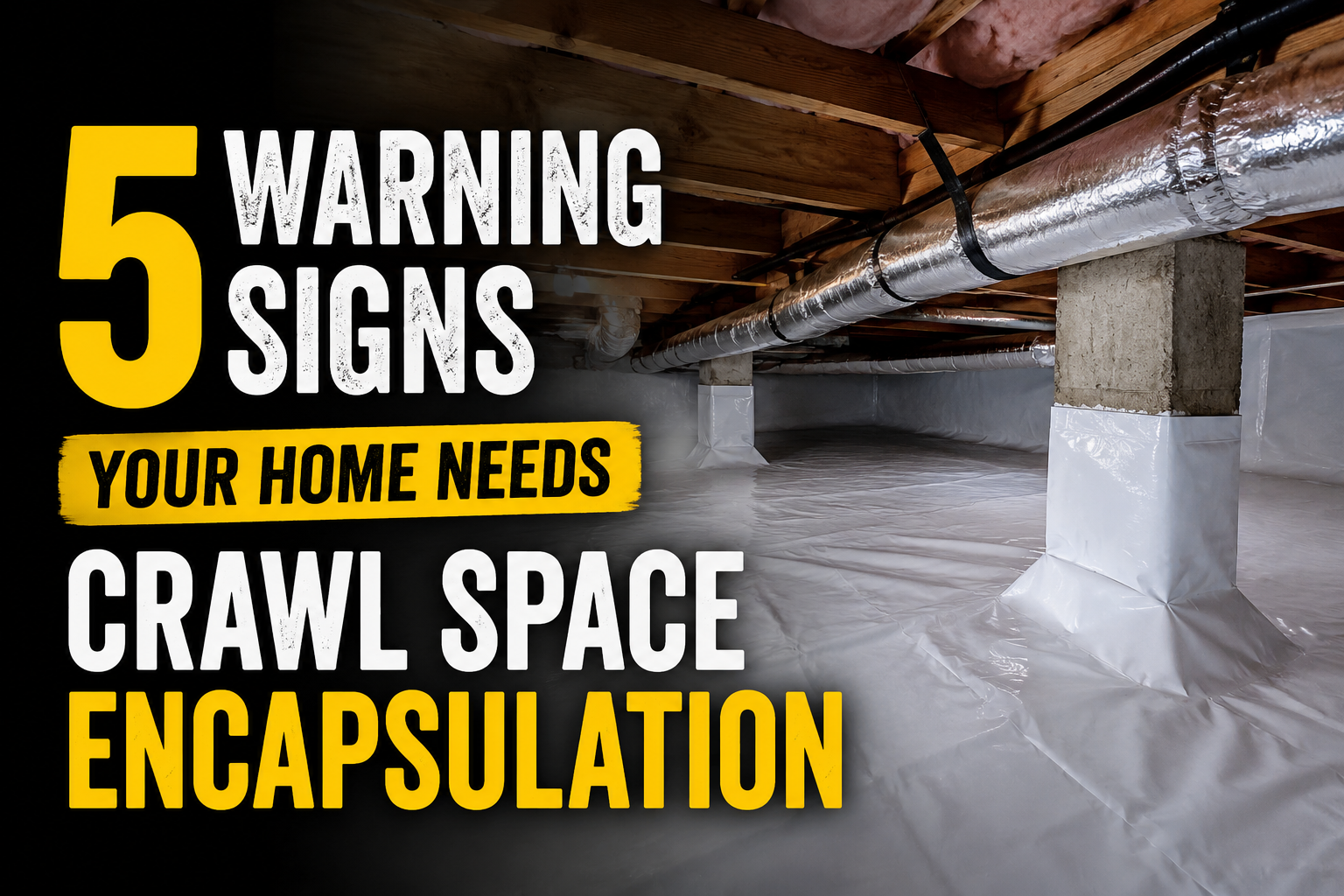
Identify the Warning Signs That Your Crawl Space Needs Encapsulation
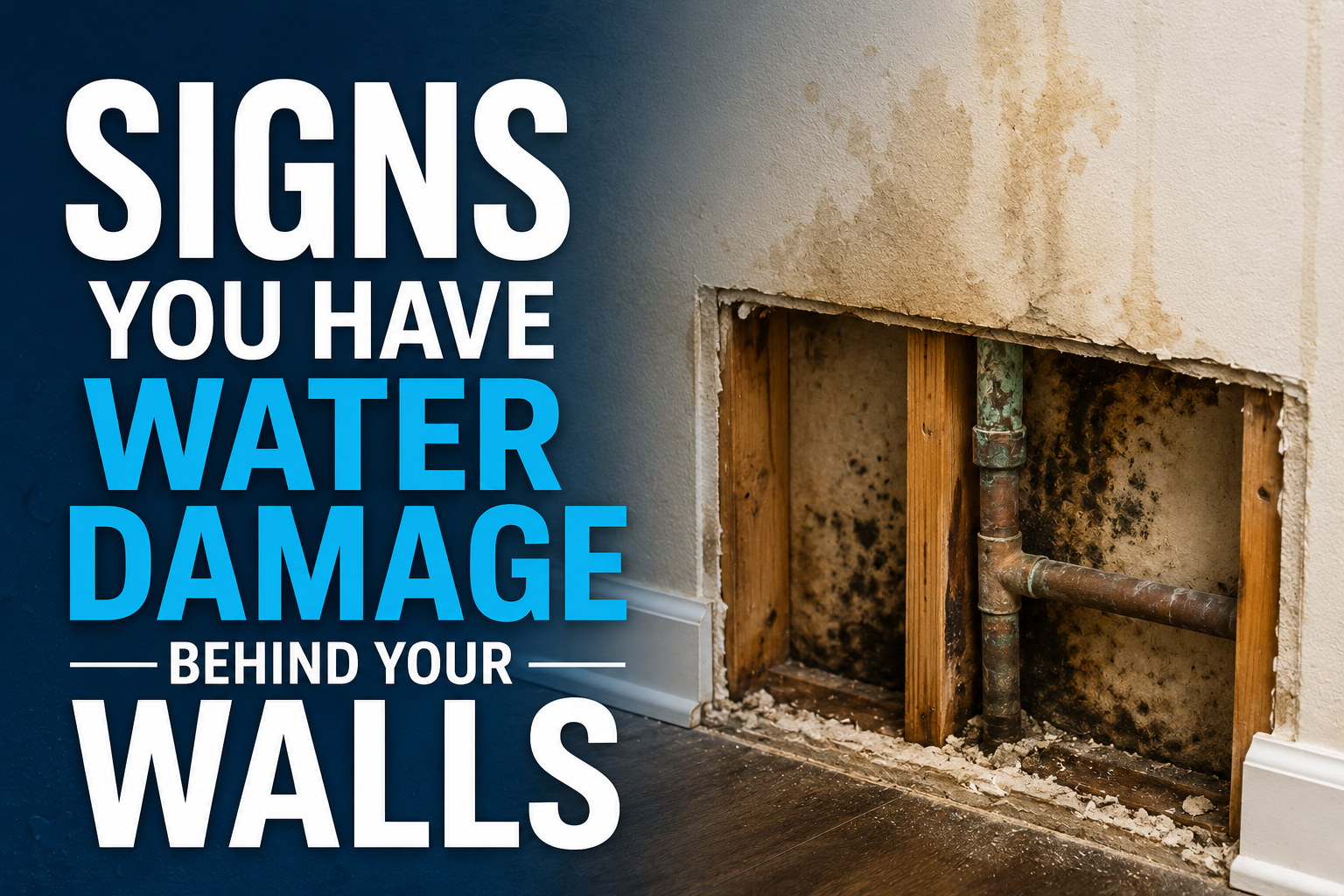
Catching moisture problems early can save you thousands of dollars in repairs. Here are the most common signs that your crawl space needs attention.
- Musty or damp odors coming from floor vents or registers inside the home
- Visible mold or mildew on floor joists, beams, or insulation
- Sagging, soft, or bouncy floors above the crawl space
- High indoor humidity levels, especially during Houston’s summer months
- Increased allergy symptoms or respiratory issues among residents
- Visible standing water or puddles inside the crawl space after rain
- Wood rot on structural beams or floor joists
- Evidence of pest activity including termites, rodents, or cockroaches
In areas like Clear Lake City, Webster, and Pasadena near Galveston Bay, storm surge and heavy rain events can push water into crawl spaces quickly. If you noticed any of these signs after a recent storm, contact Rhino Water Damage Restoration right away for an assessment.
Compare Crawl Space Encapsulation Materials and Options
Not all vapor barriers are equal. The thickness and quality of the material you choose will directly affect how long your encapsulation lasts and how well it performs in Houston’s climate.
| Material Type | Thickness | Durability | Estimated Cost Per Sq Ft | Best For |
|---|---|---|---|---|
| Basic Polyethylene Sheeting | 6 mil | Low (3-5 years) | $0.15 – $0.30 | Temporary or budget installs |
| Standard Reinforced Barrier | 10-12 mil | Moderate (8-12 years) | $0.50 – $0.80 | Average humidity conditions |
| Heavy-Duty Vapor Barrier | 16-20 mil | High (15-25 years) | $1.00 – $1.50 | High humidity, Houston climate |
| Reinforced Foil Barrier | Varies | High (20+ years) | $1.20 – $2.00 | Extreme moisture and insulation needs |
For Houston’s climate, professionals typically recommend a minimum of 16-mil reinforced polyethylene. Brands like TerraBlock, CleanSpace by Basement Systems, and WarmDry are commonly used in the Houston market and have performed well in high-humidity Gulf Coast conditions.
You will also want to consider adding a crawl space dehumidifier. Units rated for 70 to 90 pints per day are standard for Houston homes, and they run continuously during summer to keep relative humidity below 60 percent inside the space.
Review the Full Cost Breakdown for Houston Homeowners
Crawl space encapsulation pricing varies significantly based on your specific situation. Here is a realistic breakdown of what Houston homeowners typically pay in 2025.
| Service or Component | Low Estimate | High Estimate | Notes |
|---|---|---|---|
| Basic vapor barrier installation | $1,500 | $4,000 | Ground only, no wall sealing |
| Full encapsulation (ground + walls) | $4,000 | $8,500 | Standard for most Houston homes |
| Encapsulation + dehumidifier | $5,500 | $10,000 | Recommended for Cypress, Katy, Pearland |
| Mold remediation (if needed first) | $1,000 | $4,500 | Must be done before encapsulation |
| Drainage system or sump pump | $1,200 | $5,000 | For flooding-prone areas |
| Crawl space insulation | $1,500 | $3,500 | Closed-cell spray foam preferred |
Homes in Bellaire, Memorial, and the Energy Corridor tend to have larger or more complex crawl spaces due to older construction and larger footprints. Expect to pay toward the higher end of these ranges in those neighborhoods.
Labor costs in the Houston metro average $2 to $4 per square foot for installation. A 1,500-square-foot crawl space will often run between $4,500 and $8,000 for full encapsulation with a quality vapor barrier.
Follow the Step-by-Step Encapsulation Process
Understanding the process helps you evaluate contractor quotes and know what to expect during the project. Here is how a professional encapsulation job should proceed.
- Inspection and assessment: A technician inspects for existing mold, wood rot, standing water, and pest damage before any work begins.
- Debris removal and cleanup: Old insulation, debris, and any damaged materials are removed from the crawl space.
- Mold and moisture treatment: If mold is present, it must be remediated before sealing the space. Sealing over active mold traps the problem inside.
- Drainage installation (if needed): In flood-prone areas like Friendswood or Webster, an interior drain channel or sump pump may be installed first.
- Vapor barrier installation: The barrier is laid across the ground, overlapped at seams by at least 12 inches, and secured with tape and fasteners.
- Wall and pier coverage: The barrier is run up the foundation walls and wrapped around support piers, then sealed at the top with adhesive tape.
- Vent sealing: Existing crawl space vents are closed and sealed to prevent outside humid air from entering.
- Dehumidifier installation: A properly sized unit is installed and connected to a drain line or condensate pump.
- Final inspection: The contractor checks all seams, penetrations, and equipment before signing off on the project.
A professional team can typically complete an average Houston home encapsulation in one to three days. Larger homes or those requiring mold remediation first may take up to a week.
Know the Houston-Specific Factors That Affect Your Crawl Space
Houston’s climate creates some of the harshest crawl space conditions in the country. The city averages 49 inches of rain per year, and summer relative humidity regularly exceeds 80 percent outdoors. That moisture does not stay outside.
Neighborhoods like Northside Houston, Spring Branch, and Houston Heights have many older homes built before modern moisture control standards. These properties are especially vulnerable to ground moisture migration through untreated crawl spaces.
Harris County also sits on expansive clay soils that absorb water and swell during wet periods. This soil movement can cause foundation shifts that create gaps and cracks where moisture enters. Encapsulation alone does not fix foundation issues, but it does reduce the moisture cycling that accelerates those problems.
After major flooding events like those caused by tropical storms, crawl spaces in areas such as Pasadena, League City, and Clear Lake City often retain moisture for weeks or months even after floodwaters recede. Rhino Water Damage Restoration responds to these situations regularly and can assess whether encapsulation or a more urgent water extraction is needed first.
Houston building codes do not universally require crawl space encapsulation, but some municipalities in the greater Houston area have adopted updated energy codes that effectively require conditioned crawl spaces in new construction. Always check with your local municipality before sealing vents or adding mechanical equipment.
FAQs on Crawl Space Encapsulation
How long does crawl space encapsulation last?
A quality encapsulation system using 16-mil or heavier vapor barrier material typically lasts 15 to 25 years. The dehumidifier and any mechanical components will need maintenance or replacement on a separate schedule, usually every 5 to 10 years depending on the brand and usage.
Does crawl space encapsulation really reduce energy bills?
Yes, studies show encapsulated crawl spaces can reduce heating and cooling costs by 10 to 20 percent. In Houston, where summer air conditioning runs almost constantly, homeowners in areas like Sugar Land and Cypress often see meaningful savings within the first year after encapsulation.
Can I encapsulate my crawl space myself as a DIY project?
Basic vapor barrier installation is possible as a DIY project, but full encapsulation with vent sealing, wall coverage, and dehumidifier installation is best left to professionals. Mistakes like inadequate seam sealing or improper vent closure can trap moisture and accelerate the exact problems you are trying to prevent.
What happens if I encapsulate over existing mold?
Encapsulating over active mold is a serious mistake. Sealing the space traps mold spores and humidity inside, allowing the colony to continue growing in a dark, undisturbed environment. Always remediate any visible mold before encapsulating, and have a professional test air quality if you suspect hidden mold growth.
Is crawl space encapsulation worth it for Houston homes?
For most Houston homeowners, encapsulation is absolutely worth the investment. Given the city’s high humidity, frequent heavy rain, and clay soil conditions, an unencapsulated crawl space is a liability. The cost of encapsulation is almost always less than the cost of repairing mold damage, wood rot, or structural repairs down the road.
How do I maintain my crawl space after encapsulation?
Schedule an annual inspection to check for any tears, gaps, or standing water inside the space. Empty and clean your dehumidifier’s drain system and replace filters as recommended by the manufacturer. After any major storm or flood event in your area, have a professional check the space for water intrusion before problems develop.
Wrap Up and Next Steps
Crawl space encapsulation is one of the most effective investments a Houston homeowner can make to protect their property from moisture damage, mold, and structural deterioration. The right system, installed correctly, will pay for itself in reduced energy costs and avoided repair bills over its lifetime.
If you have noticed any warning signs of moisture in your crawl space, or if you simply want to get ahead of the problem before it gets expensive, do not wait. Rhino Water Damage Restoration serves homeowners across Downtown Houston, Midtown, Montrose, Katy, Pearland, Kingwood, League City, Sugar Land, and every neighborhood in between.
Call us today at +18329451621 to schedule a crawl space inspection or request a free encapsulation quote. Our team will assess your specific situation and give you honest recommendations based on what your home actually needs.