
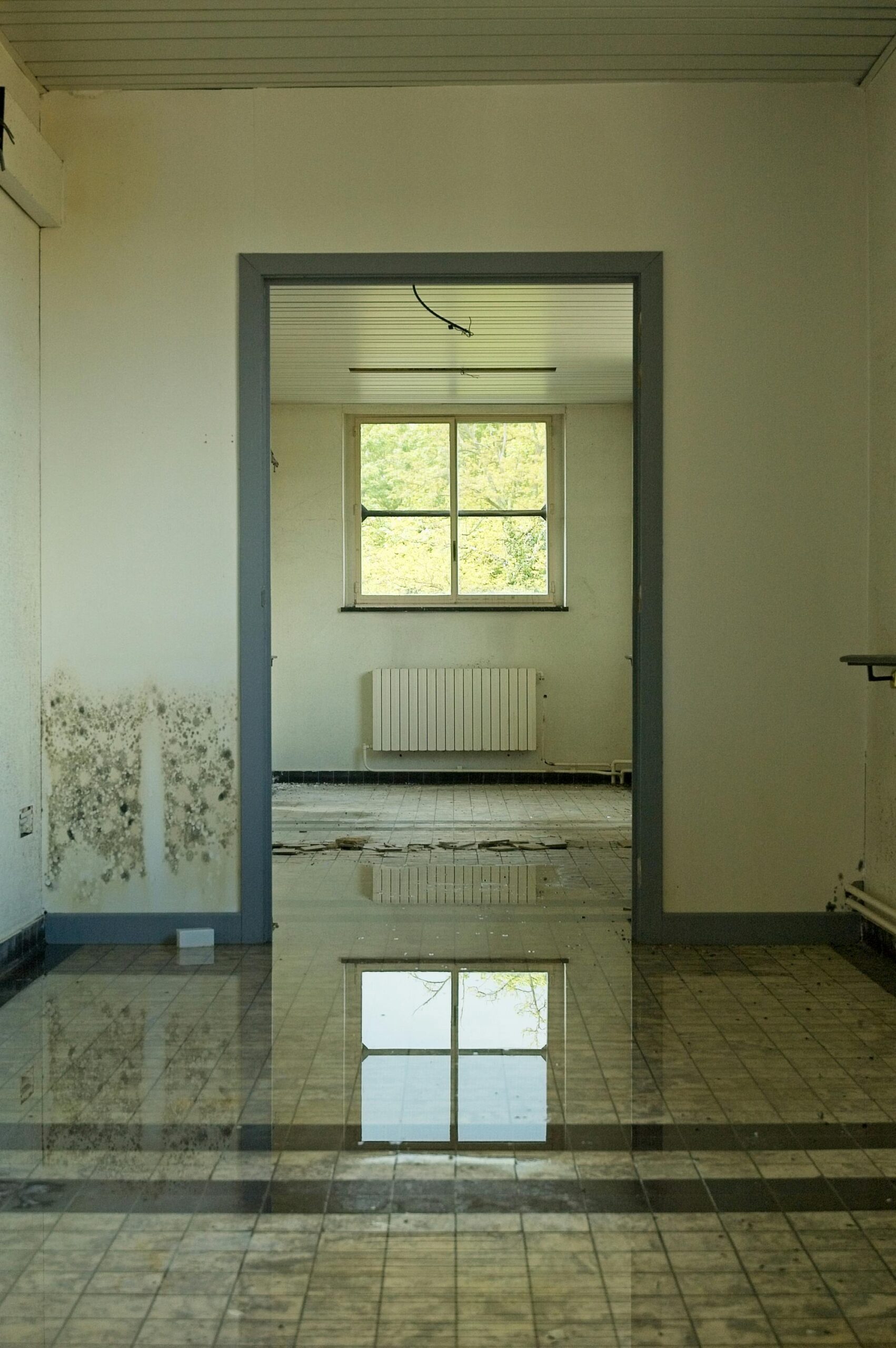
Flood Cleanup for Clear Lake City Homeowners
Clear Lake City sits at the edge of Clear Lake and a network of drainage channels that feed into Galveston Bay. That geography makes the area beautiful, but it also puts homes at real risk every time a tropical system rolls through or the bayous run over their banks. When water gets inside your home, the clock starts immediately.
Rhino Water Damage Restoration provides flood cleanup for homeowners throughout Clear Lake City and the surrounding communities, including Webster, Friendswood, and League City. Our IICRC-certified technicians respond around the clock, extract standing water, and begin structural drying before secondary damage like mold can take hold. We also handle your insurance documentation from day one so you are not navigating that process on your own.
What’s Included in Our Flood Cleanup Services
When you call Rhino Water Damage Restoration after a flooding event, you get a full-service response, not just someone with a shop vac. Here is what our team delivers from the moment we arrive at your Clear Lake City property.
Water Extraction and Standing Water Removal
We use truck-mounted extractors and submersible pumps to remove standing water fast. Speed matters because porous materials like carpet, drywall, and wood flooring absorb moisture within minutes. Getting the water out quickly limits how far the damage spreads and keeps restoration costs lower.
Structural Drying with Industrial Equipment
After extraction, we place commercial-grade air movers and refrigerant dehumidifiers throughout the affected areas. We use moisture meters and thermal imaging to track drying progress inside walls and under floors where water hides. Our team checks readings daily and adjusts equipment placement until every surface reaches acceptable moisture levels.
Mold Prevention and Antimicrobial Treatment
In Clear Lake City’s humid Gulf Coast climate, mold can begin growing within 24 to 48 hours of a flood event. Once drying is complete, we apply EPA-registered antimicrobial treatments to affected surfaces to inhibit mold growth. This step is especially important in older homes near the waterfront where humidity levels tend to stay elevated. Contact our team today to get a technician out to your property quickly.
Signs You Need Professional Flood Cleanup After a Storm
Not every flooding situation looks the same. Some Clear Lake City homeowners call us right after water rises through the floor. Others wait a day or two, unsure whether the damage is serious enough to warrant a professional. Here are the most common situations where calling early makes a significant difference.
Bayou or Storm Surge Flooding Inside the Home
When Armand Bayou or the drainage channels around Clear Lake City overflow, that water carries sediment, bacteria, and other contaminants into homes. This type of flooding is classified as Category 3 water, which requires specialized protective equipment and disposal procedures. DIY cleanup using household fans is not enough and can leave hazardous material behind in your flooring or walls.
Water Damage in Pier-and-Beam or Slab Homes After Heavy Rain
Clear Lake City has a mix of older pier-and-beam homes and slab-on-grade construction from various development eras. Both are vulnerable to water intrusion during extended rain events. Pier-and-beam homes can accumulate moisture in the crawl space, which feeds into the living space above, while slab homes often see water migrate under flooring and into wall cavities. Our team also provides crawl space encapsulation for long-term moisture control after flood events.
Visible Staining, Warping, or Odor After a Flooding Event
Waterlines on walls, buckling hardwood floors, or a persistent musty smell are all signs that moisture is still present in the building materials. These symptoms often appear days after the initial flooding, once surface water has dried but hidden moisture remains trapped. Catching it early prevents the damage from spreading and reduces the risk of needing full mold remediation later. Do not wait for visible mold to appear before calling a restoration professional.
Our Flood Cleanup Process for Clear Lake City Properties
Call Us for 24/7 Emergency Dispatch
Reach Rhino Water Damage Restoration any time, day or night, and we will get a crew moving toward your Clear Lake City address. We ask a few quick questions on the call so technicians arrive with the right equipment for your specific situation. Fast dispatch is especially important during active storm events when delays of even a few hours can increase damage significantly.
Inspect and Map the Moisture Damage
Our technicians walk the full property using thermal imaging cameras and calibrated moisture meters to locate all areas where water has migrated. This is more thorough than a visual inspection alone and allows us to find moisture inside walls and under flooring that would otherwise go undetected. Every reading is documented and photographed to support your insurance claims assistance process.
Extract, Dry, and Treat All Affected Areas
We remove all standing water first, then position drying equipment based on the moisture map. Our crews check in daily, log updated moisture readings, and reposition equipment as needed until the structure reaches dry standard. For flood events involving contaminated water, we also apply antimicrobial treatments and remove unsalvageable materials like saturated insulation or heavily damaged drywall.
Conduct a Final Inspection and Review Documentation
Once drying is complete, we do a final walkthrough with you to confirm all areas have reached proper moisture levels and explain what was done and why. We provide you with a full documentation package including moisture logs, photos, and a scope of work summary. If further repairs like drywall replacement or structural drying follow-up are needed, we outline those next steps clearly. We can also connect you with our mold remediation team if post-flood testing indicates elevated mold risk in your home.